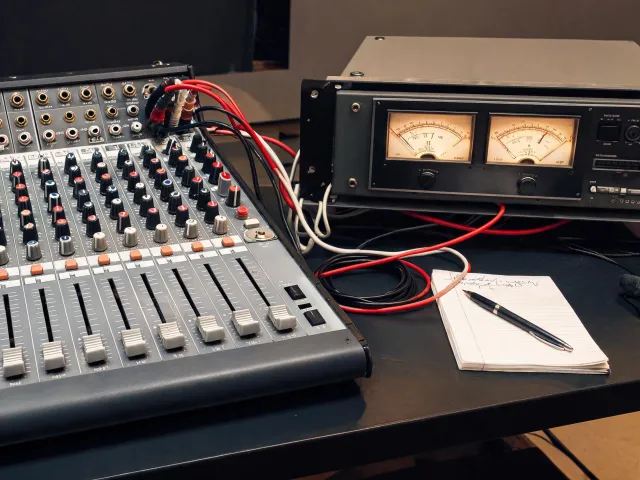
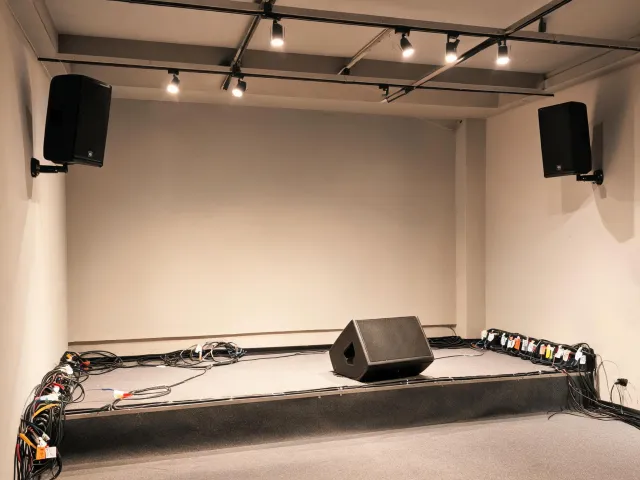
Audio testing room and loudspeaker measurement setup

About the operating model

About Behringer Professional Audio

Behringer is positioned for buyers who need practical audio equipment categories, fast model conversations, and straightforward support language across loudspeakers, PA speakers, subwoofers, stage monitors, amplifiers, and mixers.

Professional audio projects become easier to buy when every stakeholder can read the same short brief: what the room is, how loud it must be, who operates it, and which Behringer equipment categories are expected to carry the load.

Behringer was founded in 1989 and built its reputation on making professional audio affordable; since 2016 it has operated within the Music Tribe group of brands, which keeps a deep, dealer-stocked catalog of loudspeakers, mixers, and amplifiers available worldwide. This site carries that same intent into the buying conversation. It serves venue managers, installers, rental coordinators, educators, worship teams, presenters, and dealers who want direct product paths instead of a decorative sales maze. The approach favors accessible, high-channel-count gear: powered PA tops that ship ready to run, rack mixers that scale aux mixes without a separate processor, and Class-D amplifiers chosen so a buyer can hit the wattage a room needs at a working price rather than an aspirational one. The emphasis is on plain category language, repeatable spec checkpoints, and documentation that moves from a buyer to a dealer or installer without being rewritten from scratch.
How we work

From bench checks to venue handoffs

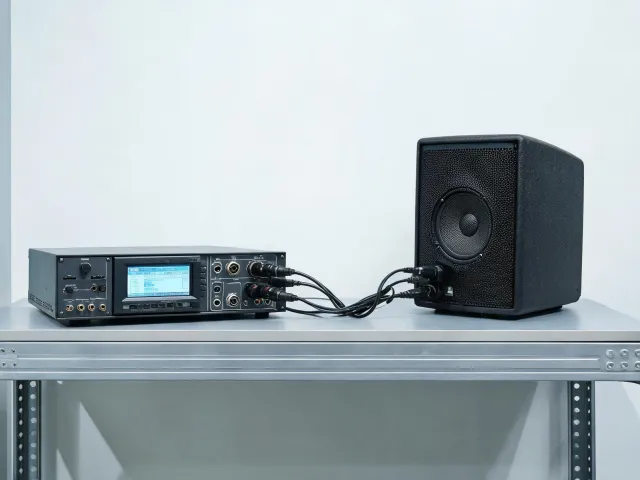
Every recommendation is framed as audio verification, application review, and documentation discipline rather than brand storytelling. A bench check confirms driver and connector condition; an application review matches the room to a product family; a handoff packet records exactly what a dealer or installer must reproduce on site.

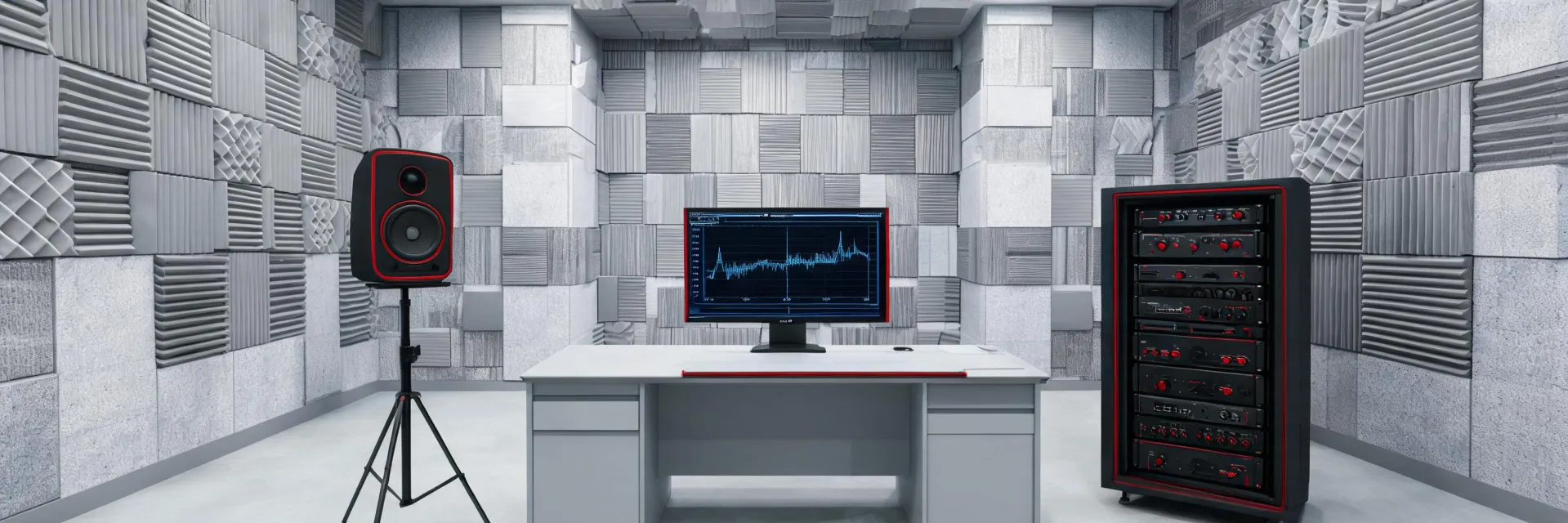
Loudspeaker measurement bench

Measurement notes

Coverage, limiter behavior, crossover assumptions, and monitoring needs are captured as review items before a quote becomes a purchase order. A target sound-pressure level at the back of the room — roughly 95–100 dB SPL for a speech-led space, higher for a music floor — is written down rather than assumed, so a system is sized to a documented figure instead of a hope.

Mixer and amplifier rack review

Control review

Mixer channel count, amplifier headroom, bus routing, and output assignments are explained in everyday language for non-specialist buyers. The numbers that anchor that conversation are concrete: input and aux-bus totals checked against the source list, loudspeaker nominal impedance of 4 or 8 ohms read off the rating plate, amplifier rated power weighed against cabinet count, and a subwoofer crossover set near 80–100 Hz for the room.

Installed venue audio inspection

Install review

Mounting limits, rack access, power availability, and future service routes are treated as buying facts, not afterthoughts.

Reference set

Documents buyers should gather

PDF

Room brief worksheet

Audience size, speaker placement constraints, source list, monitoring needs, and installation timing in one concise reference.

DOC

Dealer inquiry checklist

Country, stock preference, product category, alternate model tolerance, freight timing, and support contact details.

TXT

Install handoff outline

Rack position, cable routes, labeling plan, service access, and operator notes for fixed rooms and semi-permanent setups.

Where this fit works, and where it does not

An honest read on the value-tier audio model

Behringer is positioned for accessible, practical sound reinforcement. Being clear about the boundaries of that model is part of a useful buying conversation.

Where it fits well

Rehearsal rooms, houses of worship under a few hundred seats, classrooms, conference and presentation spaces, mobile DJ and event rigs, and small to mid bar or club stages. These rooms reward fast load-in, powered PA tops, generous channel count, and parts that a regional dealer can stock and replace quickly.

Where another tier is more honest

Large-format touring line arrays for arenas, long-throw stadium coverage, and certified life-safety voice-evacuation systems sit outside this catalog. Continuous high-SPL duty over long shows can also push compact Class-D amplifiers into thermal limiting, so headroom and cabinet count must be planned rather than assumed. When a project needs those guarantees, a buyer is better served naming it early than forcing a value-tier package to do work it was not built for.

Keep the Behringer brief readable.

When product, room, routing, and dealer details are organized early, every later decision gets easier to check.

Contact the Team